Rising to 5,895 metres, Mount Kilimanjaro is Afica’s highest peak and the world’s tallest free-standing mountain. Located within Kilimanjaro National Park, several trekking routes lead to the summit, each offering its own scenery, pace and experience. From lush rainforest and alpine heath to dramatic volcanic landscapes and the glaciers of Uhuru Peak, every route showcases the mountain’s remarkable beauty. Whether you’re seeking a shorter challenge or the highest chance of reaching the summit, there’s a Kilimanjaro route to suit every adventure.
Why climb Mount Kilimanjaro?
Africa's Highest Peak
Stand on the roof of Africa at 5,895 metres and experience the incredible achievement of reaching the continent’s highest point.
Five Unique Climate Zones
Journey through diverse landscapes including the cultivation zone, rainforest, health and moorland, alpine desert and the arctic summit.
A Route for Every Adventurer
Choose from several routes, each offering different scenery, acclimatisation profiles and levels of challenge to suit your goals.
The Ultimate Summit
Watch the sunrise from Uhuru Peak and enjoy breathtaking panoramic views that make every step of the journey worthwhile.
Kilimanjaro Routes
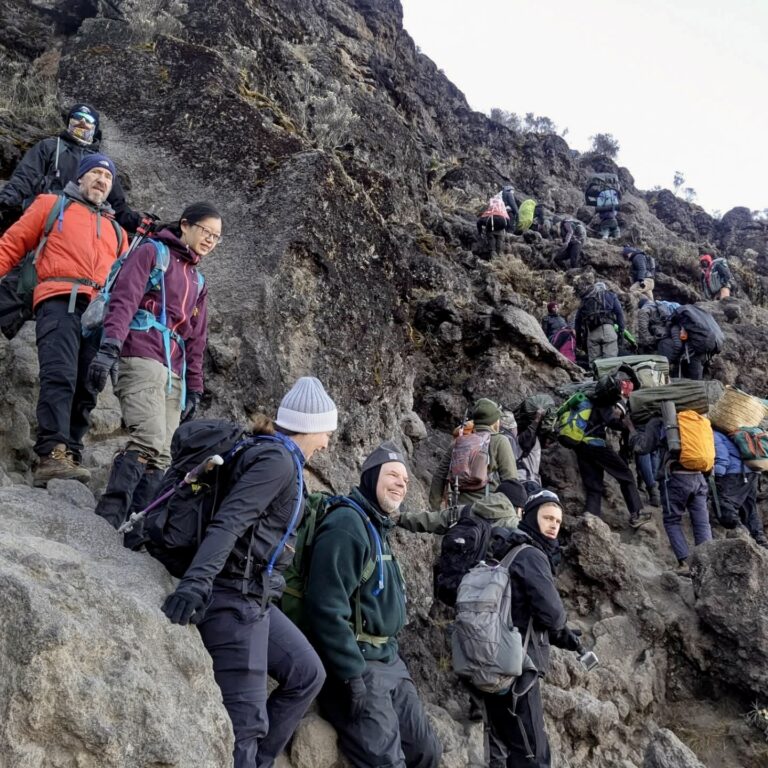
Machame Route
From $1,750 per person
*Based on our shortest route option and our lowest group rate · Prices vary depending on route length and group size.
“The scenic favourite”
- Duration: 6-7 Days
- Difficulty: Challenging
- Best for: Scenic views & good acclimatisation
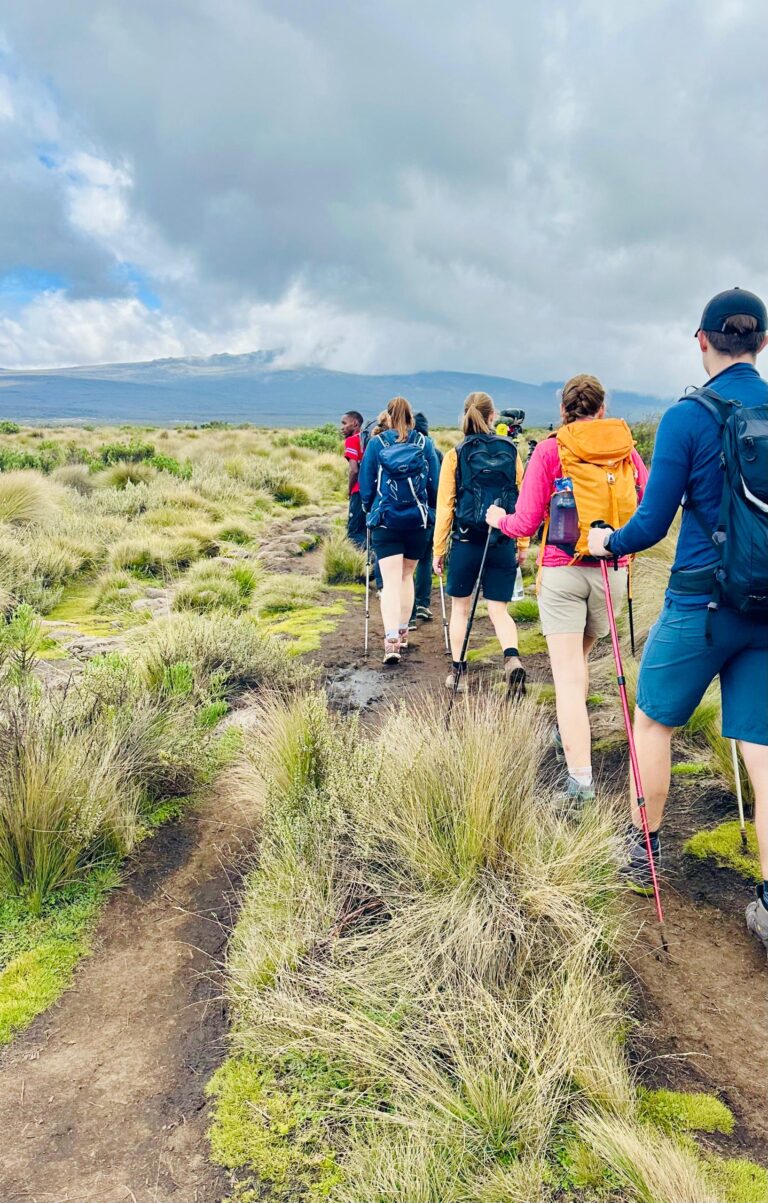
Lemosho Route
From $2,150 per person*
*Based on our shortest route option and our lowest group rate · Prices vary depending on route length and group size.
“Best for acclimatisation”
- Duration: 7-8 Days
- Difficulty: Moderate to Challenging
- Best for: High summit success
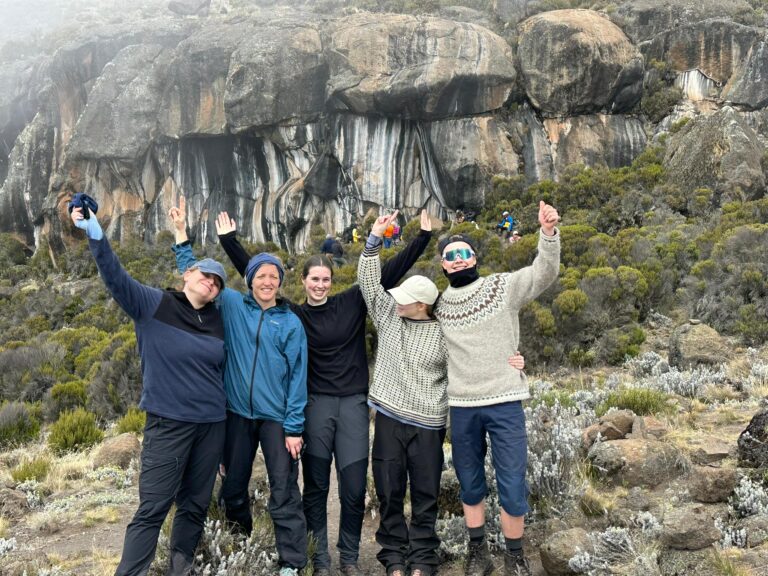
Marangu Route
From $1,570 per person*
*Based on our shortest route option and our lowest group rate · Prices vary depending on route length and group size.
“The classic hut route”
- Duration: 5-6 Days
- Difficulty: Moderate
- Best for: Hut accommodation & shorter duration
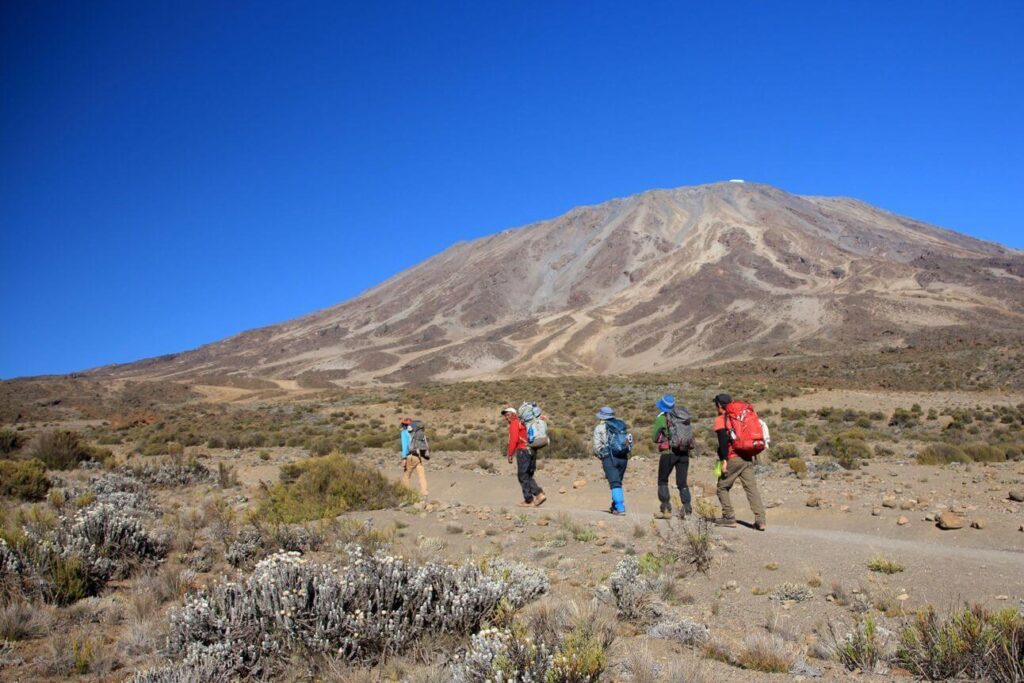
Rongai Route
From $1,750 per person
*Based on our shortest route option and our lowest group rate · Prices vary depending on route length and group size.
“The quiet Northern route”
- Duration: 6-7 Days
- Difficulty: Moderate
- Best for: Fewer crowds & a drier ascent
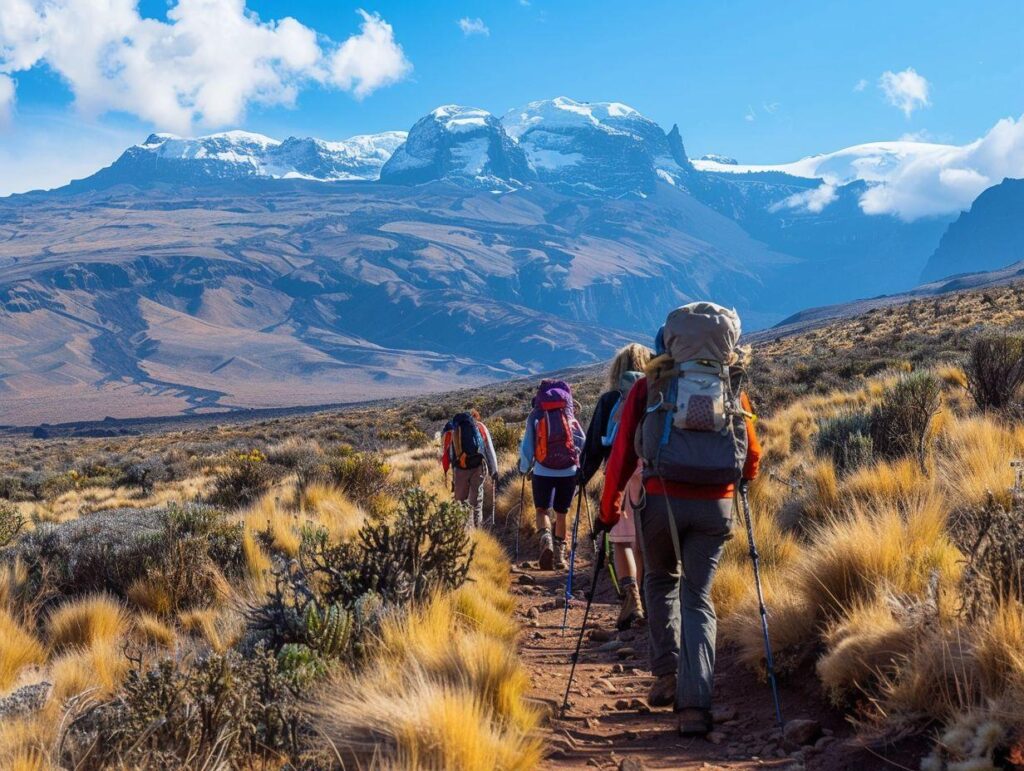
Northern Circuit Route
From $2,950 per person
*Based on our shortest route option and our lowest group rate · Prices vary depending on route length and group size.
“The ultimate Kilimanjaro experience”
- Duration: 9 Days
- Difficulty: Moderate to Challenging
- Best for: Highest summit success & quiet trails
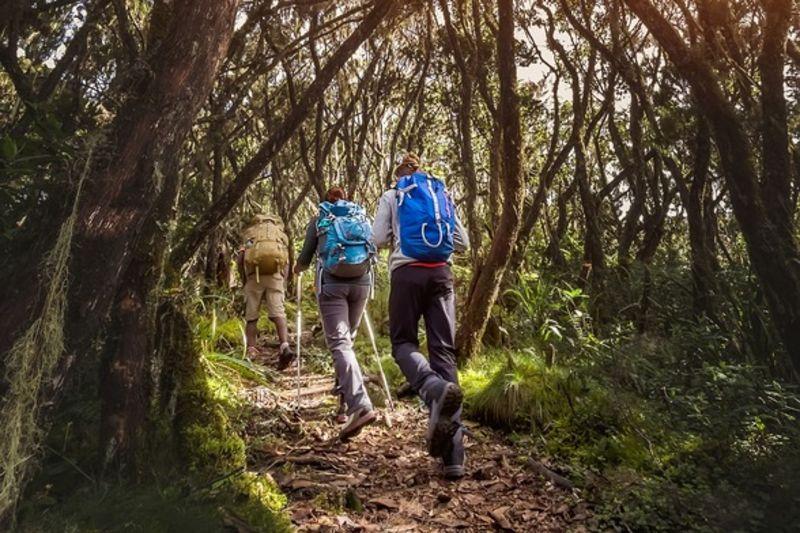
Umbwe Route
From $ per person
*Based on our shortest route option and our lowest group rate · Prices vary depending on route length and group size.
“The most challenging route”
- Duration: 5-6 Days
- Difficulty: Challenging
- Best for: Trekkers seeking a challenge
At a glance
Duration
5-9 Days
Highest Point
5,895m
Difficulty
Challenging
Accommodation
Camping (Huts on Marangu Route)
Route
6 Main Trekking Routes
Wildlife
Colobus & Blue Monkeys, Birdlife
National Park
Kilimanjaro National Park
Best Time to Visit
January-March & June-October
A typical day on Kilimanjaro
Life on the mountain is simple but rewarding. Each day begins with a new trail to explore, breathtaking scenery to discover and time to relax at camp in the evening. Our guides and support team are there throughout the journey to make your trek safe, comfortable and memorable.
Morning | Wake Up & Breakfast
Start the day with tea or coffee delivered to your tent, along with a basin of warm water to freshen up. After a hearty breakfast, your guides will brief you on the day’s route before you set off on the trail.
Trekking | Walking at a Steady Pace
Begin your climb through changing landscapes. You’ll walk slowly with your guides, allowing your body time to adjust to the altitude. Regular breaks are taken throughout the day to rest, hydrate and take in the incredible views.
Lunch Break | Refuel & Rest
Enjoy a freshly prepared lunch surrounded by mountain the scenery. Your trekking team will provide a balanced meal to help keep your energy levels up for the afternoon.
Afternoon | Arrive at Camp
Arrive at your next camp and unwind after the day’s trek. You’ll be greeted with a hot drink and a basin of warm water to freshen up before dinner is served.
Evening | Dinner and Preparation
End the day by sharing stories and preparing for tomorrow’s adventure. Your guides will check on your wellbeing, discuss the next day’s route and encourage an early night to help you recover,
What is included?
- Professional, English-speaking mountain guides
- Assistant guides, porters and chefs
- All park fees, camping fees and rescue fees
- Accommodation during the trek (plus 2 nights in Arusha)
- Three meals a day (breakfast, lunch and dinner)
- Mineral drinking water and hot beverages
- Camping equipment
- Private toilet
- Airport transfers
- Group medical kit and emergency oxygen
What is not included?
- International flights
- Travel insurance
- Visa fees
- Personal trekking gear (including sleeping bag)
- Tips
- Personal expenses
- Tips for guides ($25), chef ($17) and porters ($12 per porter) per day
- Additional hotel nights and meals outside itinerary
Why choose us for your Mount Kilimanjaro trek?
Locally owned & operated
Run by a British and Tanzanian couple, offering authentic local knowledge and personal service from your first enquiry to your final day in Tanzania.
Professional mountain guides
Our experienced, English-speaking guides are trained in mountain safety, altitude awareness, and client care, ensuring you are supported every step of the way
Tailor-made adventures
Every trek can be customised to your fitness level, travel dates, budget, and trekking goals, ensuring an adventure that suits your experience and aspirations.
Local people, local impact
We believe the people behind your journey are just as important as the journey itself. We are dedicated to treating our guides, porters, chefs, and staff with respect, fairness and appreciation.
Supporting our mountain crew
A Mount Kilimanjaro climb is made possible by a dedicated team of professional guides, porters and chefs who work hard behind the scenes to ensure your safety, comfort and success on the mountain.
At A Travelling Soul Adventure, we believe in responsible and ethical tourism. We are committed to ensuring our mountain crews are treated with respect, paid fairly, and provided with good working conditions. Your trek directly supports local employment and communities in Tanzania.
Tipping is not compulsory, but it is a valued tradition in Tanzania and a meaningful way to show appreciation for the incredible effort and care provided by your mountain crew. Tips are shared among the guides, porters and chefs who contribute to making your adventure unforgettable.
Recommended Tipping Guidelines
While tipping is always optional, it is a valued tradition and a wonderful way to thank your mountain crew.
- Lead Guide - $25/day
- Porters - $12/day per porter
- Chef - $17/day
These are general guidelines and can be adjusted depending on your group size and experience.
We believe tips should be rewarded for exceptional service, not a substitute for fair wages. Our goal is to ensure every member of our mountain team is valued and respected.
Frequently asked questions
How difficult is Mount Kilimanjaro?
Mount Kilimanjaro is a challenging but achievable trek for most people with a good level of fitness and the right preparation. While no technical climbing experience is required, the high altitude, long trekking days and changing weather conditions make it a demanding adventure.The key challenge is the altitude, as the summit reaches 5,895 metres (19,341 feet). A slower pace, proper acclimatisation and choosing a route with enough time to adjust to the altitude greatly improve your chances of reaching the summit safely.
With determination, preparation and the support of our expert local guides, standing on the Roof of Africa is a highly possible achievement.
How fit do I need to be?
You don’t need to be an experienced mountaineer or an athlete to climb Mount Kilimanjaro, but a good level of fitness and preparation are important. The trek involves walking for several hours each day over varied terrain, with longer and more challenging days as you approach the summit. Regular walking, hiking, cycling or other cardio exercise is excellent preparation. Our experienced guides will support you throughout your journey, helping you maintain a steady pace and maximise your chances of reaching the summit safely.
Which route is best?
The best route depends on your fitness level, experience and how much time you have available. The Lemosho Route is one of our top recommendations thanks for its beautiful scenery and excellent acclimatisation, while the Machame Route offers a more challenging trek and the Northern Circuit provides a quieter experience with more time to adjust to the altitude. Our team will help you choose the route that’s right for you.
What is altitude sickness and how can I prevent it?
Altitude sickness occurs when your body doesn’t have enough time to adapt to higher elevations. It can affect anyone, regardless of age or fitness level, and symptoms may include headache, nausea, dizziness and fatigue.
While there is no guaranteed way to prevent altitude sickness, the risk can be reduced by ascending gradually, staying well hydrated, eating regularly and following your guide’s pace. Our experienced mountain guides closely monitor your wellbeing throughout the trek, carry emergency oxygen and use pulse oximeters to check your oxygen saturation levels. Your safety is always our highest priority, and if symptoms become more severe, our guides are trained to take the appropriate action, including descending if necessary.
When is the best time to climb?
The best times to climb Mount Kilimanjaro are during the dry seasons: January to March and June to October, when the weather is generally clearer and trail conditions are more favourable. Kilimanjaro can be climbed year-round, but the rainy seasons can bring wetter trails and more challenging conditions. Our team can help you choose the best time to climb based on your preferred route and travel plans.
What wildlife might I see?
The lower slopes of Mount Kilimanjaro are home to a variety of wildlife, including blue monkeys, colobus monkeys, bushbuck and a wide range of colourful bird species. As you climb higher, the landscape becomes more alpine and wildlife becomes less due to the harsh conditions. While wildlife sightings can’t be guaranteed, the journey through Kilimanjaro’s rainforest offers a great opportunity to experience the mountain’s rich beauty before reaching the dramatic volcanic landscapes above.
What should I pack?
Packing the right clothing and equipment is essential for a safe and comfortable trek. You’ll need suitable clothing for a wide range of temperatures, including warm layers, waterproofs, sturdy hiking boots, a daypack and a good-quality sleeping bag. Trekking poles, gloves, a warm hat and a head torch are also recommended for comfort and safety. Before your climb, we’ll provide you with a detailed packing list to help you prepare. If you don’t own all the equipment, many essential items can be rented locally, so there’s no need to buy everything before your trip.
Is Mount Kilimanjaro suitable for beginners?
Yes. Mount Kilimanjaro is one of the few high-altitude peaks in the world that can be climbed without any technical mountaineering or climbing experience. With a good level of fitness, the right preparation, and the support of experienced guides, many first-time trekkers successfully reach the summit. Choosing a longer route with more time for acclimatisation can significantly improve your chances of a safe and successful climb.
Do I need travel insurance?
Yes. Comprehensive travel insurance is essential for climbing Mount Kilimanjaro. Your policy should cover high-altitude trekking up to 5,895 metres, mountain/helicopter rescue and emergency evacuation, medical expenses and trip cancellation or interruption. We recommend arranging your travel insurance before you travel and checking that your policy provides adequate cover for your planned activities.
What if I'm unable to reach the summit?
Reaching the summit is never guaranteed, and your safety always comes first. If you become unwell, experience symptoms of altitude sickness, or your guide believes it is no longer safe to continue, you will descend with the support of your mountain crew. Not reaching Uhuru Peak doesn’t mean the trek has been unsuccessful. Kilimanjaro is a challenging high-altitude expedition, and making the decision to turn back when necessary is a sign of good judgement, not failure. Our experienced guides will monitor you throughout the trek and help you make the safest decision based on your wellbeing and the conditions on the mountain.
Book your trek
Ready to take on Mount Kilimanjaro?
Tell us a little about your plans and we’ll help to create the right trek for you. Whether you already know which route you want to take or you’re not sure where to start, our team can recommend the best option based on your time, experience and goals.
Plan your trek
We'll discuss your plans and help tailor your trek to you.
2.
1.
Tell us your plans
Complete our enquiry form with your preferred dates, group size and route.
3.
Start your adventure
Once everything is arranged, we'll help you to get ready for Kilimanjaro!
Not sure which route is right for you?
No problem – our team are here to help you choose.